
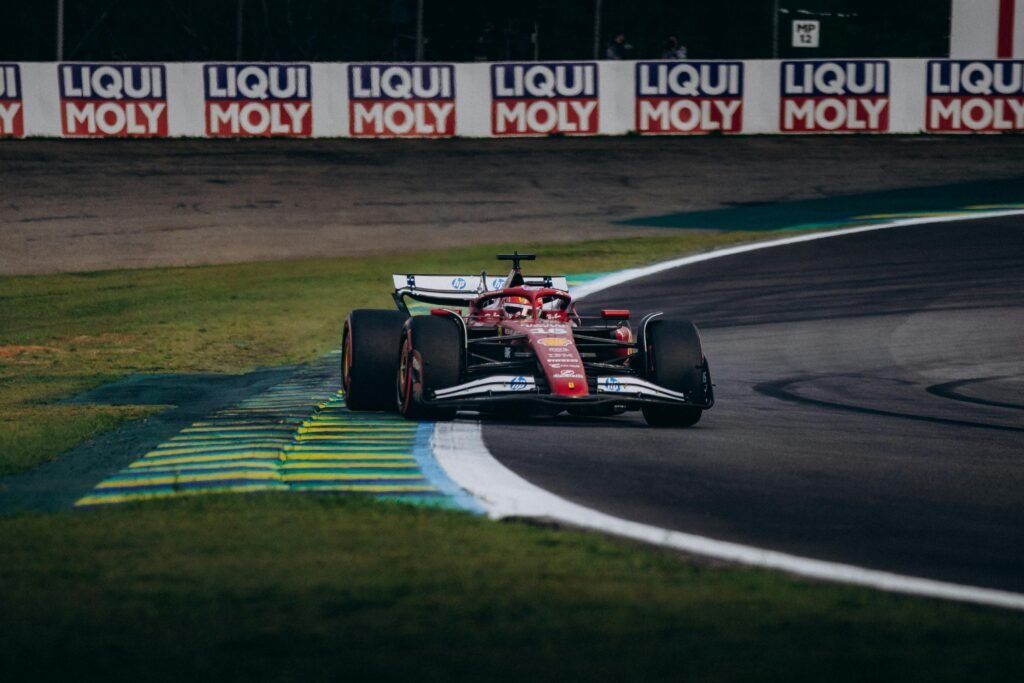
After three extraordinary races in the new regulations era, Formula 1 2026 has hit an enforced pause. The cancellation of the Bahrain and Saudi Arabian Grands Prix — confirmed on 14 March following the outbreak of the Iran war — has handed every team on the grid five unexpected weeks before the Miami Grand Prix on 3 May. For the leaders at Mercedes, it is an opportunity to extend an advantage. For everyone else, it is the most important development window of the season. For the full F1 picture visit our motorsport section and read about Kimi Antonelli’s 2026 championship challenge. Here is our complete analysis of what every team must do before Miami.
The State of Play: Three Races, One Clear Leader
Kimi Antonelli sits atop the 2026 Drivers’ Championship after winning in Japan — his second victory of the season. The 19-year-old Mercedes driver holds 72 points, leading teammate George Russell by nine. Charles Leclerc for Ferrari sits third, 23 points back. Mercedes lead the Constructors’ Championship with 135 points, ahead of Ferrari on 90 and McLaren on 45. The picture is clear at the top: the new Mercedes power unit — one of three new engine manufacturers entering in 2026 alongside Audi and Ford-Red Bull — is superior, and the W17 chassis is extracting it well. But three races is not a season. Miami could reset everything.
Mercedes: Manage the Pressure, Not the Car
Mercedes do not need to fix anything mechanical. Their advantage is real and their car is operating close to its design parameters. What the Mercedes technical team must do in this five-week window is study the active aerodynamics data from three races in wildly different conditions — Australia, China (a sprint weekend), and Japan — and understand whether the ‘boost mode’ ERS deployment strategy that has given Antonelli his edge in the final sector at every track will translate to the low-downforce, high-speed layout of the Miami International Autodrome.
There is also a driver dynamic to manage. Russell has been quick all season but has been unlucky — mechanical issue in Australia, lost time in the pit lane in China, and the loss of fastest lap by a single tenth in Japan. The gap between the two Mercedes drivers will become a genuine narrative topic if it persists into Miami. Toto Wolff will want harmony, not rivalry, during the development phase of a new regulations cycle.
Ferrari: Find the Balance That Leclerc Needs
Charles Leclerc is the most naturally talented driver in this Ferrari lineup, and the SF-26 has the raw pace to challenge Mercedes on specific track types. What it has lacked across the first three rounds is mechanical balance — specifically in slow-speed corners, where the rear of the car has been unstable under heavy braking. Leclerc has managed this with skill, but the lap time loss is measurable and Frédéric Vasseur knows it.
Lewis Hamilton, in his first season with Ferrari, has been positive about the car’s long-run pace and race-craft capabilities, but has admitted the single-lap qualifying performance is below what he expected. The five-week break is Ferrari’s chance to run an updated floor and revised rear suspension geometry in a series of simulator days before any physical components are shipped to Miami.
Our view at Unicorn Blogger: Ferrari will close the gap to Mercedes in Miami but will not overturn it. The SF-26’s fundamental architecture is sound — the aerodynamic platform is closer to the Mercedes concept than any other team. The update package for Miami, if it works as intended, should put Leclerc and Hamilton in genuine qualifying contention for front-row positions. Whether they can convert that in the race is a different question, but we expect Ferrari to be the closest challenger when the lights go out on 3 May.
Red Bull and the Ford-Powered Gamble
The arrival of Ford as Red Bull’s power unit partner — a partnership signed before the 2026 regulations were finalised — has been more challenging than either party anticipated. Max Verstappen sits fourth in the championship, which for any driver not in a Mercedes is creditable, but for Verstappen it is a position that visibly frustrates him. Reports have emerged suggesting Verstappen is reconsidering his Red Bull future and may walk away at the end of 2026 if the car does not improve significantly.
The five-week gap gives Red Bull Powertrains and Ford engineers the chance to study deployment strategies for their ERS system in race conditions. The data from three very different circuits — Melbourne, Shanghai, and Suzuka — provides a comprehensive baseline. The question is whether the fundamental power unit issues are software-solvable in five weeks or require a longer-term hardware solution that cannot be homologated mid-season.
Audi and Cadillac: The New Arrivals Find Their Feet
2026 marks the debut of two brand-new manufacturers: Audi (the transformed Sauber team) and Cadillac, entering as a completely new constructor using Ferrari customer engines. Three races in, both teams are in the back half of the grid but showing signs of potential. Audi’s car has been particularly interesting — their active aerodynamics system has produced some of the most aggressive wing angle changes seen in the new regulations, and their engineers believe there is significant performance to unlock through software calibration.
For Cadillac, the Miami Grand Prix carries special significance: it is a home race for an American manufacturer in an American city. The commercial stakes are high, and the team will want to arrive in Florida having made visible progress from the opening rounds.
Miami Grand Prix 2026: What to Expect
The Miami International Autodrome has been a venue that rewards efficient power unit deployment over raw downforce since it joined the calendar. The long straights on the infield section favour high-top-speed configurations, while the stadium section requires a more traditional high-downforce setup in the final sector. The active aerodynamics system introduced in 2026 — with moveable front and rear wing elements — will be a fascinating variable at a circuit where drag reduction was previously managed entirely by DRS. Teams that best understand their active aero system will have a genuine strategic edge.
Key Takeaways: F1 2026 Break Analysis
- Kimi Antonelli leads the 2026 Drivers’ Championship with 72 points after three races — Mercedes are dominant but the season is young.
- The Bahrain and Saudi Arabian GPs were cancelled due to the Iran war conflict — creating a five-week development window before Miami on 3 May.
- Ferrari must resolve rear stability issues at low speed — their update package for Miami will be the first real indicator of whether the SF-26 can close the gap.
- Max Verstappen’s long-term future at Red Bull is in doubt — their Ford power unit partnership has not delivered the expected performance leap in the new era.
- Audi and Cadillac arrive as new manufacturers in 2026 — Miami is a crucial opportunity for Cadillac especially, as an American team racing on home soil.
Follow 2026 F1 standings at Formula1.com and technical analysis at Motorsport.com.
Frequently Asked Questions
Why were the Bahrain and Saudi Arabian Grands Prix cancelled in 2026?
Both races were cancelled following the outbreak of the Iran war in late February 2026, which raised serious safety concerns for the Formula 1 teams, drivers, and travelling personnel. The FIA confirmed the cancellations on 14 March, citing the instability of the regional situation. No replacement events could be organised on such short notice due to F1’s complex logistics, meaning the 2026 season runs 22 rounds rather than the originally planned 24.
What are the new regulations in F1 2026?
The 2026 season features a major regulation overhaul covering both power units and aerodynamics. Power units now use a 50/50 split between internal combustion and electrical energy, with significantly more electrical power available than in previous hybrid eras. Aerodynamically, all cars feature active front and rear wing elements that can change angle during a lap — replacing the previous DRS system. The new regulations attracted three new power unit manufacturers: Audi, Ford (in partnership with Red Bull Powertrains), and Honda (returning fully-independent to supply Aston Martin).
Who leads the 2026 F1 Championship after three races?
Kimi Antonelli of Mercedes leads the 2026 Drivers’ Championship with 72 points. He is followed by teammate George Russell on 63 points and Charles Leclerc of Ferrari on 58 points. Mercedes lead the Constructors’ Championship with 135 points, ahead of Ferrari on 90 and McLaren on 45.
When is the next F1 race in 2026?
The next Formula 1 race in 2026 is the Miami Grand Prix, taking place from 30 April to 3 May 2026 at the Miami International Autodrome in Florida, USA. It is the fourth round of the season following the cancellation of Bahrain and Saudi Arabia, and it features the sprint format — meaning there will be a Sprint Shootout and Sprint Race in addition to the main Grand Prix weekend schedule.