
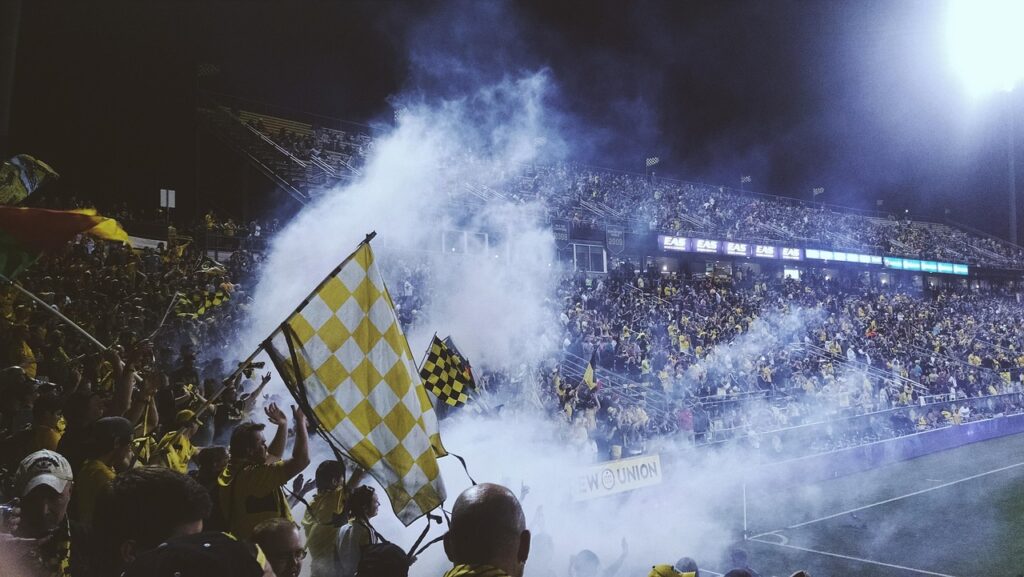
The Premier League 2026-27 season is finally here, and the wait was longer than usual this time. After a summer dominated by the 2026 World Cup, English football returns with the champions carrying a target on their backs for the first time in a generation. Arsenal open their title defence as the team to beat, and 19 rivals spent the transfer window trying to close the gap.
This guide walks you through everything that matters before the first whistle: the exact dates, the 20 clubs, the three newly promoted sides, the shape of the title race, and how to follow every match from wherever you are. No fluff, just what you need to head into the season knowing the lay of the season ahead.
- The 2026-27 Premier League season kicks off the weekend of 21-22 August 2026.
- Arsenal are the defending champions after winning the 2025-26 title.
- Coventry City, Hull City and a third side came up from the Championship.
- The final day is Sunday 30 May 2027, with all games kicking off together.
- The season runs across 33 weekends plus five midweek rounds — 380 matches in all.
When does the 2026-27 Premier League season start?
The opening weekend lands on 21-22 August 2026. That is later than fans are used to, and there is a clear reason: the FIFA World Cup 2026 across the United States, Canada and Mexico ran deep into the summer, and the Premier League built in a longer recovery gap. Players who reached the final stages got 33 clear days between the World Cup final and the league restart, according to the Premier League’s official scheduling notes.
The calendar itself follows the familiar rhythm. Twenty clubs play each other home and away, which adds up to 380 fixtures spread over 33 weekends and five midweek rounds. The Premier League has confirmed the key dates, including a final day set for Sunday 30 May 2027, when every match kicks off at the same time to keep the survival and title picture honest. That closing Sunday sits a week before the Champions League final on 5 June 2027.
One more date worth circling: the summer transfer window closes on 31 August 2026. So the squads you see on the opening weekend are not necessarily the squads clubs finish August with. Expect a late scramble of deals before the deadline, especially from teams that started slowly.
The 20 teams — and the three that came up
Seventeen clubs kept their place from last season. Joining them are three promoted sides from the Championship, and the stories behind them are worth knowing.
Coventry City return to the top flight after cruising to the Championship title, their first spell in the Premier League in decades. Hull City came through the playoffs the hard way, sneaking into the top six and then winning the postseason lottery at Wembley. The promoted trio replaces the three clubs that dropped out of the 2025-26 season: West Ham, whose relegation counted as the season’s biggest shock; Burnley, whose drop looked likely for months; and Wolverhampton Wanderers, who finished with just 20 points.
Promotion is one thing. Survival is another. History is unkind to newly promoted clubs — in several recent seasons all three went straight back down. For a fuller sense of how squad budgets and wage bills shape those odds, our breakdown of how sports contracts work across six sports lays out why the financial gap bites so hard in August and January.
Can anyone catch Arsenal?
Arsenal enter as champions, and that word carries weight in north London. The 2025-26 title was their first league crown in a long time, built on the meanest defence in the division and a set-piece routine that turned tight games their way. Retaining a Premier League title is rare, though — only a handful of clubs have managed back-to-back crowns in the modern era — and every contender knows it.
Manchester City sit right behind, having finished second last season. City sent players to the World Cup across a dozen national teams, which is a strength in depth and a fatigue risk rolled into one. Manchester United finished third and will want to prove that was a floor, not a ceiling. Liverpool endured a rough title defence of their own the year before and spent the summer rebuilding belief as much as the squad.
Then there is the chasing pack. Chelsea, Newcastle, Aston Villa and Tottenham all have the resources to gatecrash the top four on their day. The transfer market never sleeps, and the biggest names shape these races — our look at the Rodri-to-Real-Madrid saga shows how one midfield departure can reset a title picture overnight. If you want the wider view of how English clubs bought and sold this summer, the summer transfer window rundown is the place to start.
Five storylines that will define the season
Every campaign turns on a few questions. Here are the ones we will be watching from the first weekend.
1. Does the World Cup hangover bite?
A tournament summer leaves marks. The players who went furthest in the World Cup return with tired legs and short pre-seasons, and the clubs who rely on them most could stumble early. Watch the first six weeks closely — squad depth, not star power, tends to win August and September.
2. Can a promoted side break the cycle?
Coventry City arrive with momentum and a manager who earned this promotion on merit. If any of the three newcomers is going to stay up, spending smartly before the 31 August deadline will decide it. One clever signing can be the difference between 17th and 18th.
3. Which manager is under pressure first?
The Premier League is ruthless with underperformance. A club with big expectations and a slow start can change direction inside two months. The early fixture list matters here: a brutal opening run can cost a manager their job before the leaves turn.
4. Who wins the Golden Boot?
The scoring charts usually come down to a small group of elite forwards, and this season should be no different. Consistency over 38 games, penalty duty and staying fit through a congested winter all feed into it. Keep an eye on the strikers at the top clubs, where chances are plentiful.
5. How tight is the relegation fight?
Survival is often decided by a handful of points and one good run in the spring. The promoted clubs, plus a couple of established sides who overachieved last year, will be dragged into it. The final-day simultaneous kickoff exists precisely because these margins are so fine.
The dates to circle beyond kickoff
Opening weekend is only the start. A few markers shape the rhythm of the whole campaign, and knowing them early helps you plan.
The Christmas and New Year stretch is the great English tradition — and the great fitness test. The Premier League has built in a protection this season: no two match rounds will take place within 60 hours of each other over the festive period, giving squads a little more recovery than the old relentless schedule allowed. That single rule can swing results in January, when tired legs decide tight games.
Five midweek rounds punctuate the 33 weekends, and those Tuesday and Wednesday nights are where depth is exposed. Clubs juggling European football — the Champions League, Europa League and Conference League all run in parallel — feel the squeeze most. A thin bench in October becomes a crisis by February.
Then comes the finish. The final day on Sunday 30 May 2027 sends every team out at the same moment, a deliberate design that has produced some of the league’s most dramatic afternoons. Title deciders, relegation escapes and European qualification have all been settled in stoppage time on that shared final whistle. With the Champions League final following on 5 June 2027, the calendar leaves just enough room for the season’s biggest nights to breathe.
For neutrals, the beauty of the format is that meaningful games run from August straight through to the end of May. Very few weekends are dead rubbers when 380 fixtures decide a title at the top and survival at the bottom.
How to watch the 2026-27 season
Coverage is split across broadcasters in the UK, with a large share of matches shown live and the rest available through highlights and streaming packages. Internationally, the Premier League remains one of the most widely broadcast leagues on the planet, with dedicated rights holders across Asia, the Middle East, Africa and the Americas.
For readers in Pakistan and South Asia, the league is carried by regional sports broadcasters and their streaming apps, with kickoffs falling in the evening and late night local time — perfect for a weekend watch. The Premier League’s own channels publish the full 380-fixture schedule so you can plan around your team’s dates. A single subscription usually covers the bulk of the season, and most regional apps let you set reminders for your club so a late kickoff never slips past you. Cricket fans juggling both calendars will find our guide to The Hundred’s 2026 format a handy companion for a busy sporting month.
Our verdict at Unicorn Blogger
Our view at Unicorn Blogger is that this season is more open than the bookmakers suggest. Arsenal are deserving favourites, and their defensive base makes them hard to beat over 38 games. But a delayed start after a draining World Cup summer flattens the field in the opening months, and that is exactly when title races quietly take shape. We think the team that manages its World Cup returnees best — rotating early, resisting the urge to chase points in August — will still be standing in May. If we had to plant a flag now, we would back Manchester City’s squad depth to make the champions genuinely uncomfortable, with Liverpool the wildcard if their rebuild clicks fast. Bold prediction: at least one of last season’s top four finishes outside it this time.
Frequently asked questions
When is the first game of the 2026-27 Premier League season?
The season opens on the weekend of 21-22 August 2026, with the first fixtures on Friday 21 August.
Who are the defending Premier League champions?
Arsenal, who won the 2025-26 Premier League title ahead of Manchester City and Manchester United.
Which teams were promoted for 2026-27?
Coventry City came up as Championship winners and Hull City won the playoffs, joining a third promoted club in replacing West Ham, Burnley and Wolves.
When does the season end?
The final day is Sunday 30 May 2027, with all 10 matches kicking off simultaneously.
When does the transfer window close?
The summer window shuts on 31 August 2026, so clubs can still reshape their squads after the opening weekend.
Kickoff is almost here. Bookmark this guide, check your team’s opening fixtures, and settle in — the longest, loudest league in world football is back.