
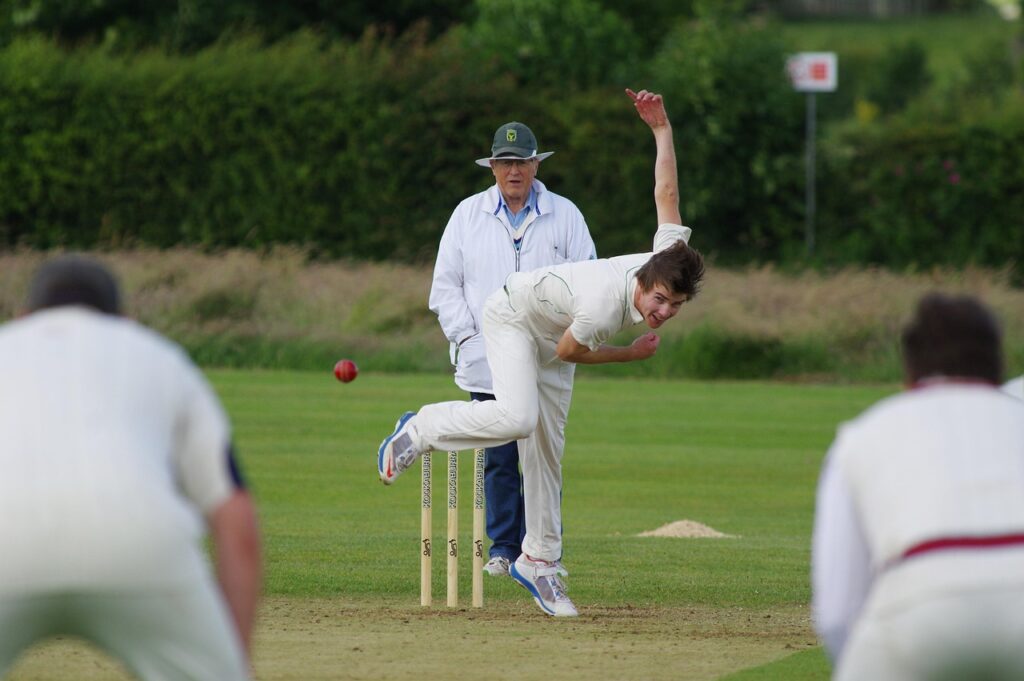
- The PCB sacked head coach Sarfaraz and bowling coach Gul after Pakistan fell 2-0 down to England
- Pakistan have batted just 173.5 overs across four innings in the series — under two full days of cricket
- Our view: the batting collapse is a technical and selection problem, not a coaching one
Pakistan’s tour of England was already going badly. Then the Pakistan Cricket Board decided the fix was to sack the head coach and bowling coach with one Test still to play. Our take at Unicorn Blogger: this is the wrong problem being solved. The coaching staff didn’t lose the ability to hold a bat.
The Pattern Away From Home Isn’t New
This isn’t the first time Pakistan’s batting has folded on a foreign tour, and that history matters here. A side that has repeatedly struggled to build partnerships away from home is showing a technical pattern, not a one-series blip that a coaching change can plausibly fix inside a week. If the underlying issue were specific to this coaching staff, you’d expect Pakistan’s away form to look meaningfully different under previous regimes. It largely doesn’t. Batters who look assured on flat, dry surfaces at home have repeatedly struggled against the moving ball on English and Australian pitches, and that’s a technical adjustment problem — footwork, shot selection against the new ball, patience against a nagging line and length — not a motivational one a new voice in the dressing room resolves overnight.
None of which is to say coaching doesn’t matter. It plainly does, over a longer horizon: technical work in the nets, video analysis of where dismissals are coming from, building the mental resilience to bat time rather than chase quick runs under pressure. But that’s a multi-month project, not something a September coaching change delivers by the third Test starting in five days. The PCB’s timing suggests a board reacting to a results crisis rather than executing a considered technical program.
What the Numbers Actually Show
Look past the overs-batted total and the individual dismissals tell a consistent story. Partnerships have broken quickly and repeatedly rather than one collapse defining the series — that’s the signature of a batting order without a settled method against the moving ball, not one bad session. Saud Shakeel’s 97 stood out precisely because it was the exception: a Pakistan batter actually building an innings past fifty rather than getting starts and losing his wicket in the 20s and 30s. When your best individual score of the series is the outlier rather than the norm, the problem is systemic.
What Actually Happened at Lord’s
England secured the second Test and the series with relative ease, and the underlying numbers explain why. Pakistan’s batters have faced just 173.5 overs across four innings in this series — less than two whole days of cricket spread over two Test matches. That’s not a bowling attack that’s been unlucky. That’s a batting order that hasn’t been able to occupy the crease.
There were individual moments of quality. Mohammed Abbas finally got his name on the honours board with 5 for 57 in the second innings at Lord’s, and Saud Shakeel’s 97 showed genuine fight in a losing cause. But those were exceptions inside a pattern, not evidence the pattern is fixable by removing the coaching staff. Mohammad Rizwan’s dismissal — the one that effectively ended Pakistan’s second-innings resistance — typified a series where the tourists’ senior batters have not looked settled against the moving ball in English conditions.
The PCB’s Answer: Sack the Coaches
On the back of the Lord’s defeat, the PCB removed head coach Sarfaraz and bowling coach Gul, with the ICC’s World Test Championship table now showing Pakistan sliding further down the standings. PCB chairman Mohsin Naqvi framed it plainly: no option if players don’t perform. That’s a defensible line if the players in question were the ones being removed. They weren’t.
Our view at Unicorn Blogger is straightforward: sacking a bowling coach after your bowlers produced a five-wicket haul that finally got a seamer onto the Lord’s honours board is a strange sequencing decision. The bowling attack has broadly done its job across this series. The batting order has not, and no bowling coach change addresses that.
Why This Reads as a Selection Problem, Not a Coaching One
Babar Azam missed the first Test through a hand injury, and the squad has been reshuffled repeatedly through the tour — injuries, an investigation-related withdrawal, and a captaincy change mid-series that saw Salman Ali Agha lead the side for the first time in Tests. That’s an unusual amount of instability to layer on top of already difficult conditions, and none of it traces back to a coaching failure. A team that’s changed its captain and lost its most experienced batter to injury mid-series is dealing with structural instability that a new head coach doesn’t solve by September 9.
What would actually move the needle: settled top-order pairings given time to build partnerships, rather than a batting line-up that’s shuffled every time results go badly — the same patient method that defines our list of the greatest Test batsmen of all time. Pakistan’s batters faced under two days of bowling combined across two Tests — that’s a technical and mental application issue that shows up regardless of who’s holding the clipboard on the sideline.
The Third Test Is a Small Window to Prove a Point
The series moves to Birmingham for the third Test starting September 9, giving Pakistan five days to salvage some credibility before the tour ends. A spirited performance there won’t undo the coaching change, but it would at least test our theory: if the batting order performs better under a new coach with essentially the same personnel, we’ll happily revisit this take. If the same pattern repeats — short partnerships, collapses against the moving ball — it confirms the problem was never really about who was standing in the dressing room.
Source: ESPNcricinfo series statistics, August 2026
Key Takeaways
- The PCB sacked head coach Sarfaraz and bowling coach Gul after falling 2-0 down to England
- Pakistan have batted just 173.5 overs across four innings — under two full days of cricket in the series
- Mohammed Abbas’s 5 for 57 shows the bowling attack has broadly performed; the batting order has not
- Squad instability — a captaincy change, an injury to Babar Azam, a mid-tour investigation — has layered on top of the batting issues
- The third Test at Birmingham, starting September 9, is the last chance to test whether the coaching change actually changes anything
What This Says About the PCB’s Decision-Making More Broadly
There’s a broader pattern here worth naming plainly: reaching for a coaching change is the fastest, most visible action a cricket board can take, and it photographs well as decisiveness. It’s also frequently the wrong lever. Removing a bowling coach after a five-wicket haul finally landed a seamer on the Lord’s honours board sends a mixed signal about what the board actually thinks went wrong — and mixed signals from the top rarely help a dressing room that’s already dealing with a captaincy change and a key player’s injury absence mid-series.
The more useful conversation the PCB could be having right now is about the domestic pipeline that’s producing these batters in the first place: are players arriving in Test cricket with the technical foundations to survive testing conditions against the moving ball, or are they being fast-tracked on the back of white-ball form and flat home pitches? That’s a much harder, slower conversation than sacking two coaches in September. It’s also the one more likely to actually change the overs-batted number twelve months from now.
Frequently Asked Questions
Why did the PCB sack Pakistan’s coaching staff?
The Pakistan Cricket Board removed head coach Sarfaraz and bowling coach Gul after Pakistan fell 2-0 down in their three-match Test series against England, following a heavy defeat at Lord’s.
How badly has Pakistan’s batting struggled in this series?
Pakistan have batted just 173.5 overs across four innings in the series — less than two full days of cricket spread over two Test matches, a total well below what a competitive Test series batting effort typically produces.
Who captained Pakistan after Babar Azam’s injury?
Salman Ali Agha captained Pakistan for the first time in Tests after Babar Azam was ruled out of the first Test with a right hand injury.
When does the third Test between England and Pakistan start?
The third and final Test of the series begins September 9 in Birmingham and runs through September 13.
Sources used in this article:
- [1] ESPNcricinfo — Pakistan tour of England 2026 series coverage
- [2] ICC World Test Championship 2025-2027 standings
For more on Pakistan’s recent struggles overseas, read our breakdown of why Pakistan keep losing away Tests, catch up on the full WTC 2025-27 standings, and follow the third Test live on our Cricket category page. Full ball-by-ball coverage is available at ESPNcricinfo and BBC Sport.